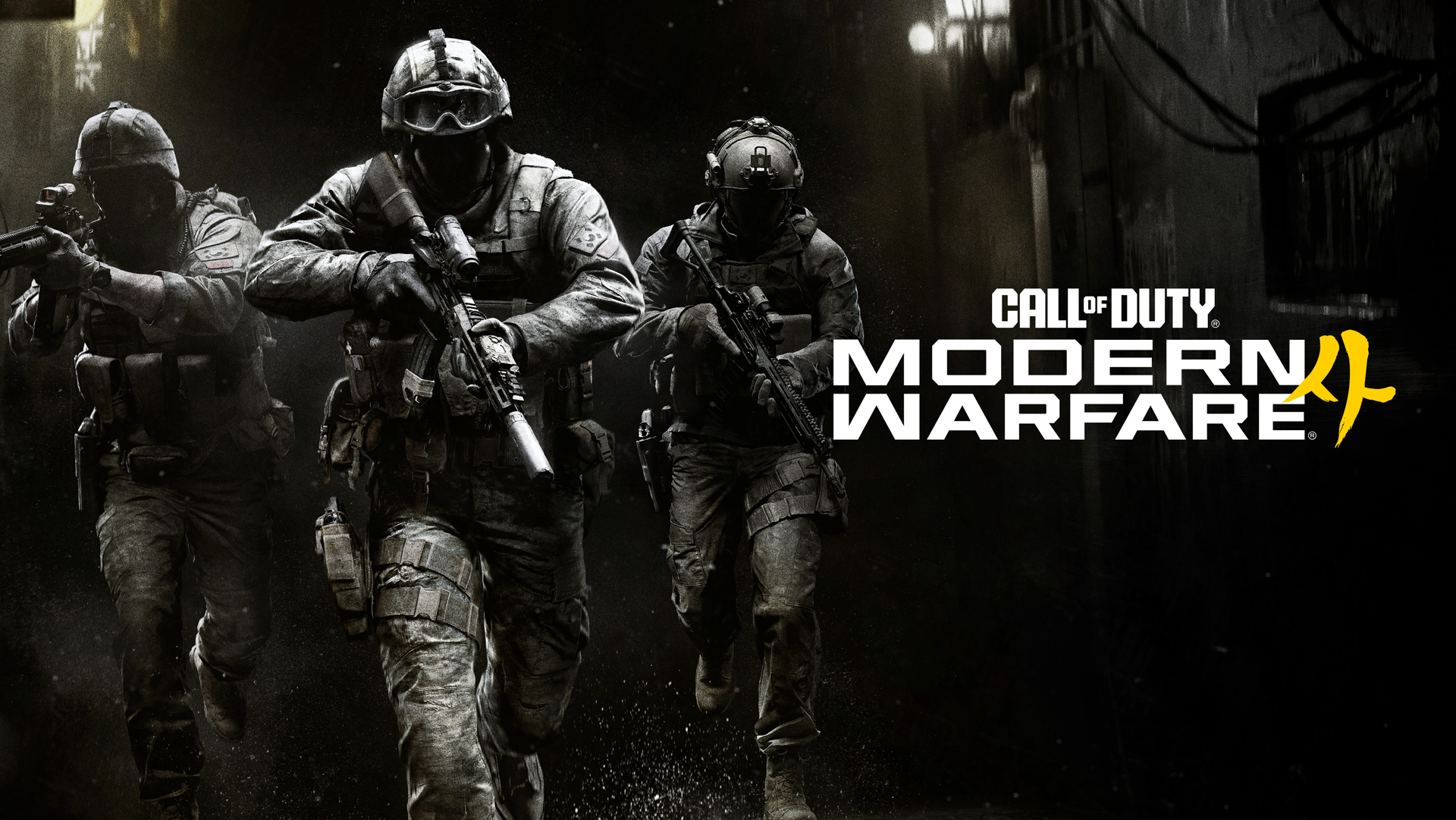
UNITEDG / FULL GAME REVIEW
Modern Warfare 4 review
My favourite modern Call of Duty: exceptional gunplay, an immersive campaign and a detailed verdict on every rated 6v6 map.
THE VERDICT
The strongest modern Call of Duty for the way I play
Modern Warfare 4 is my favourite modern Call of Duty, and the first entry to surpass the personal benchmark set by Call of Duty 4: Modern Warfare and the original Modern Warfare 2. Its achievement comes from how convincingly its parts work together: responsive weapon handling, purposeful movement, exceptional audio and richly realised environments make ordinary firefights feel unusually involving. It recaptures the tension that made those earlier games special while moving the series forward.
The campaign supplies the cinematic scale and variety, while multiplayer gives the mechanics room to breathe. Search & Destroy remains the clearest demonstration: reading an angle, controlling recoil and committing to a push are satisfying decisions because the weapon feedback, pacing and spatial information reinforce one another. This is a military action game with a strong sense of physical presence, yet it retains the responsiveness I expect from Call of Duty.
A 9.8/10 verdict does not mean every design choice is beyond criticism. Locking Tactical Sprint behind a perk still restricts loadout freedom, and the 6v6 map roster has clear weaker entries. Those reservations matter, but they do not outweigh a campaign, combat system and audiovisual presentation that make this the most complete expression of modern Call of Duty for my tastes.
SIX CATEGORIES / ONE OVERALL SCORE
Detailed category breakdown
Gameplay & Mechanics
10/10The connection between input and weapon response is the foundation of this score. Recoil has enough physical character to make a burst feel forceful, but it remains something to control rather than an effect to endure. The time-to-kill gives decisive aim and positioning real weight; a successful engagement feels earned because the game communicates the shot, the impact and the outcome so clearly.
The newer traversal and weapon systems add to that connection. Moving around cover feels more continuous, and the relationship between the weapon, the camera and the surrounding space is more convincing. Crucially, immersion does not require slow or unresponsive controls. Modern Warfare 4 preserves the speed of an arcade shooter while making its actions feel deliberate. Search & Destroy benefits especially: patient positioning, controlled aggression and sound awareness remain as valuable as fast reactions.
Graphics & Performance
9.5/10Enhanced FOV is one of the most valuable PC additions. It provides the wider awareness I enjoy without giving the central image the exaggerated fisheye feel I associate with simply pushing a conventional FOV slider higher. Targets retain a comfortable visual presence, and the weapon feels better integrated into the scene. That combination makes the image more immersive without making it harder to read.
Materials are another major strength. Textures look sharp and convincing under different weather and lighting conditions, while small surface details give buildings and equipment a tangible identity. Explosions have volume and texture: particles, debris and smoke contribute to the force of an impact, and smoke disturbed by gunfire makes the battlefield feel reactive. The 9.5 reflects how strongly this presentation supports play on PC, rather than a claim that every setting or hardware configuration produces the same result.
Story & Campaign
10/10The campaign succeeds for me as a sustained military action thriller. Its strength is the rhythm between situations: enclosed fighting, exposed streets, rooftop pursuit and changes of environment keep the experience moving without reducing every mission to the same sequence of encounters. The action is cinematic, but the player still has a meaningful role within the spectacle.
The rooftop fighting recalls what made Modern Warfare 2's Favela memorable: threats come from more than one elevation, and moving forward means interpreting the space around you. New York's streets and the Korean villages give that momentum different visual and tactical contexts. I value the way those settings support the campaign's tone and pace. The 10/10 is my assessment of the complete experience and its ability to hold my attention, without relying on plot spoilers to justify the score.
World & Map Design
9.2/10The most convincing environments feel like places with a purpose beyond hosting a firefight. Small architectural and material details help connect individual combat spaces into believable surroundings. In the campaign, the contrast between rooftop chases, New York streets and Korean villages is particularly effective: each location changes the atmosphere as well as the way the action reads.
Most multiplayer maps continue that strength. Coal's industrial character, Lotus's village setting and Reactor U92's distinctive interior all give the roster a strong identity. The weaker maps fall short in how much room and meaningful choice they provide for twelve players; attractive scenery cannot compensate for cramped encounters or unclear control of space. This 9.2 is a holistic judgment of campaign world-building and multiplayer design, not the arithmetic average of the individual 6v6 map scores below.
Soundtrack & Audio
10/10Weapon audio is the strongest part of an exceptional soundscape. Individual shots have weight, successive rounds retain definition, and the surrounding acoustics make a weapon feel present in the room or street rather than layered over it. Heavy detonations have scale, while smaller mechanical sounds preserve the sense that the weapon is a physical object in the player's hands.
That detail matters beyond spectacle. Direction, distance and changes in the surrounding mix support awareness, particularly when a Search & Destroy round becomes quiet enough for every movement to matter. The soundtrack and broader sound design sustain the campaign's tension without needing every moment to be equally loud. Together, they make combat more readable, more dramatic and more convincing. For my priorities, this is benchmark-quality Call of Duty audio.
Content & Replay Value
10/10Replay value comes from wanting another match, not simply from having another unlock to chase. Modern Warfare 4 has that quality. Weapon mastery and loadout experimentation give repeated play a direction, while the depth of Search & Destroy allows the same map to produce very different rounds as opponents adapt. The streamlined Gunsmith helps because trying a different approach feels inviting rather than buried beneath attachment clutter.
The campaign gives the package a strong single-player foundation, and the multiplayer systems provide the lasting draw. Kill Block adds a different competitive format, while the wider mode selection creates alternatives when I want a change of pace. My 10/10 reflects how compelling those reasons to return are for me now; it does not depend on treating future seasonal additions as content that is already available.
The overall rating is the equal average of the six category scores, rounded to one decimal place. Map ratings are separate editorial judgments and do not directly recalculate the World & Map Design score.
NEW & REWORKED SYSTEMS
Why the modern mechanics work
The strongest additions deepen the relationship between player intent and the action on screen. Here are the movement, combat, customization and PC systems behind that impression, with official feature references.
Traversal that keeps the player in control
Mantle Slide, Mantle Momentum and Mantle Steering connect cover traversal; Supine Slide, Pipe Climb, Fast Pipe Slide, Hang Shimmy, Hang Lean and Climbing Jump broaden repositioning. The benefit is having more control during transitions, so movement can support a considered attack as well as a quick escape.
Weapon framing, recoil and impact
Unified weapon/world FOV, input-aligned shooting and revised recoil strengthen the link between the visible weapon and the shot. Reactive scenery and explosive shockwave feedback add physical consequence. Together, they support the tactile gunplay that remains the review's central strength.
Gunsmith tools and tactical options
Gunny's attachment recommendations and weapon-specific Apex Attachments complement the cleaner Gunsmith. Trip Wire, Smoke Wall, Razor Wire and Bomb Glider expand the equipment toolbox. These options add ways to shape an engagement beyond choosing a primary weapon.
Enhanced FOV and clearer aiming
PC-only Enhanced FOV widens peripheral coverage while preserving the central field of view. Separate weapon/world depth-of-field settings and weapon-VFX masking give players more control over clarity. Barrel-aligned shot placement also makes the relationship between weapon direction and fire more intuitive.
A more configurable PC experience
Sub-frame mouse polling, HDR10+, a built-in benchmark, ray tracing and modern upscaling options broaden PC tuning. Advanced Shader Delivery on supported platforms and fewer restart interruptions reduce setup friction. These are useful tools for finding a personal balance between presentation and responsiveness.
Progression and a personal sight picture
Shared attachment unlocks reduce repeated progression. Weapon Prestige provides an optional reset, while Optic Rail Placement, reticle customization and alternate thermal presentations offer more control over the sight picture. Operators and streak selections can be tailored to individual loadouts. The value is greater freedom to build and revisit weapons in a way that suits the player.
Objectives and competitive variety
Smartstreaks let objective contributions support streak progress. Hijack, Collateral, Frontline and Inflation broaden multiplayer alongside Kill Block's changing layouts and Ground War: Combat Outpost. Proving Grounds adds a practice space. Their value is variety around the core combat rather than a replacement for the appeal of standard 6v6.
Two ways to Prestige
Regular Prestige and Classic Prestige provide different reset paths, alongside weapon mastery and camo challenges. I welcome that choice: a longer progression journey is more appealing when the player can decide how much to reset. The immediate multiplayer appeal stands on its own; later Warzone integration is a separate addition.
The remaining Tactical Sprint trade-off
Tactical Sprint still requires Blood Rush, occupying a perk slot. I would prefer sprint access to be balanced through a meaningful handling or stamina cost instead. Spending a loadout choice on core traversal feels restrictive even though the wider movement system is excellent. This is the principal systems criticism that remains in my verdict.
STANDARD 6v6 ONLY
Every 6v6 map: scores and reasoning
These scores reflect my preference for readable engagements, purposeful routes and convincing environments. They apply to standard 6v6 play; Ground War, Gunfight and Kill Block are outside this map comparison. Official map guides provide setting context, while the judgments and scores are my own.
Cachette
6/10The French warehouse and garage setting provides a convincing backdrop for short-range combat, but the 6v6 experience is less consistent than the theme suggests. Its close encounters leave less room for the deliberate positioning I enjoy, and the awkward spawn flow noted in my earlier impressions makes control feel less dependable. There is a serviceable arena here, but it rarely lets the wider combat system show its full range.
Coal
9/10Coal earns its score above all through authenticity. The decaying processing plant feels like a real industrial site: heavy structures, worn surfaces and the relationship between the facility and its surroundings give the location a coherent identity. I value that believable setting because it makes fighting through the space feel grounded. It is a strong example of environmental detail giving a multiplayer arena character beyond its routes and cover.
Lithium
7/10The refinery setting is a good fit for Modern Warfare 4's industrial combat language, and the map offers enough variety to remain enjoyable. My reservation is the quality of individual engagements: awkward peripheral angles and entrenched positions can interrupt the otherwise solid momentum. It is competent rather than exceptional, with an effective visual identity that does not always translate into equally satisfying control of the surrounding space.
Lotus
10/10Lotus is the strongest expression of what I want from 6v6. The village has a recognisable sense of place, while its routes, cover and changes between interiors and outdoor spaces support purposeful decisions. Its greatest strength is balance between movement and anticipation: pushing forward feels rewarding, but reading an opponent's next route matters too. It captures the tactical appeal of classic Call of Duty without asking the modern movement system to stand still.
Mumbai
9/10Mumbai's dense residential setting gives it a convincing urban identity. The market district, buildings and rail-side surroundings suggest a neighbourhood rather than a generic combat enclosure. That density is most appealing when it creates a choice between holding a route and moving to another approach. The 9/10 rewards a strong relationship between atmosphere and tactical opportunity, while leaving a little distance from the immediate clarity and cohesion of my two highest-rated maps.
Munition
9/10The command-facility setting makes good use of recognisable military spaces. Hangars, support structures and the connection between operational areas give the environment a clear purpose. I rate it highly because that identity suits the game's grounded weapon handling and supports a useful contrast between committed pushes and more measured positioning. It feels well matched to Modern Warfare 4's strengths, with enough environmental character to avoid becoming another interchangeable military compound.
Nautical
8/10A damaged ferry at dawn is an effective change of setting, and the ship's layout gives the action a distinct identity. The confined environment makes route choice and commitment especially important. My 8/10 reflects that strong atmosphere and immediate sense of location, while recognising that a ship's restricted space can make encounters feel more channelled than on the best village or urban maps. It is memorable, but not quite as flexible as the top tier.
Reactor U92
10/10Reactor U92 makes exceptional use of a distinctive central idea. The damaged reactor environment creates a strong visual focus, while the surrounding industrial spaces give that spectacle a believable context. I value how clearly it separates itself from the rest of the roster without feeling detached from the game's military tone. For me, the combination of atmosphere, spatial identity and engaging combat makes it a complete 6v6 arena and a worthy equal to Lotus.
Rooftops
9/10The snowy New York rooftops provide an excellent setting for fights shaped by elevation, exposure and the transition back into shelter. Rooftop structures and enclosed service spaces create a useful contrast between moving openly and controlling a tighter approach. That interplay makes the environment feel more interesting than a flat collection of shooting lanes. It is one of the roster's most distinctive settings and a strong fit for deliberate mid-range engagements.
Sentry
8/10The snowbound military installation has a strong atmosphere, and its maintenance and command spaces fit the game's grounded visual direction. The whiteout setting gives the location a pronounced identity, but I place it below the strongest maps because the overall experience feels more conventional. It delivers a solid military arena with clear thematic consistency, rather than the especially memorable combination of setting and combat character that earns Lotus or Reactor U92 a perfect score.
Silkworm
9/10Silkworm combines the character of a dense shopping district with the tactical appeal of familiar urban combat. Shops, surrounding apartments and access around the central spaces create a setting that feels occupied and purposeful. The map rewards the kind of awareness I associate with classic Call of Duty: recognising a likely approach, using cover intelligently and moving at the right moment. It is a particularly convincing companion to the tension of Search & Destroy.
Transit 213
3/10The bus-filled setting has visual personality, but its 6v6 flow is the weakest fit for my preferences. Obstructed views, abrupt close-range encounters and the camping-prone control described in my earlier assessment make the arena feel more restrictive than tactical. The issue is not that a small map must be quiet; it is that constant contact needs readable space and a fair opportunity to respond. Here, the congestion too often overwhelms those qualities.
Shipment
PendingRating pending. Shipment will receive its own 6v6 assessment once I am ready to judge this version. It is excluded from the rated map total, and no score or verdict has been assumed.
VETERAN PERSPECTIVE
Impressions from a Call of Duty Veteran Playing Since Day One (2003)
I have been playing Call of Duty since day one in 2003. That history is why Call of Duty 4: Modern Warfare and the original Modern Warfare 2 have remained such important reference points for me. They made weapon feel, memorable environments and the tension of a well-played multiplayer round matter in a way that stayed with me long after their release. Modern Warfare 4 is the first modern entry that surpasses those favourites in my personal ranking.
What convinces me is its confidence in moving forward. A faithful recreation of those older games has a place as a remake, but a new Modern Warfare should make use of modern controls, a more expressive movement system and better audiovisual feedback. Here, the additions reinforce the experience: the weapon feels connected to the player, the wider view is more comfortable, and movement gives me options without removing the value of a carefully chosen position.
Search & Destroy brings that feeling into focus. The anticipation before a push, the weight of a clean shot and the satisfaction of reading an opponent still carry the spirit that made the series special to me. The campaign adds the scale and environmental variety I hoped for, while maps such as Lotus, Coal and Reactor U92 give the multiplayer its own identity. Tactical Sprint's perk requirement and the weaker maps remain valid reservations, but they do not change my conclusion: this is my favourite modern Call of Duty, and the strongest overall expression of the series for the way I like to play.
Pros
- Exceptional weapon handling, physical recoil and a highly satisfying time-to-kill.
- Modern traversal and combat features reinforce immersion while preserving responsive control.
- Enhanced FOV improves peripheral awareness without the distracting fisheye feel of an excessively wide conventional view.
- Sharp materials, convincing weather presentation and detailed, reactive combat effects.
- A gripping campaign with varied environments and memorable rooftop and street-level action.
- Outstanding weapon acoustics, spatial information and explosive impact.
- Search & Destroy, streamlined Gunsmith customization and weapon progression provide a lasting reason to return.
- Lotus and Reactor U92 lead a mostly excellent 6v6 roster with strong environmental identity.
Cons
- Tactical Sprint requires the Blood Rush perk, limiting loadout freedom around a core movement option.
- The 6v6 roster is uneven: Cachette is less dependable, Lithium has awkward angles, and Transit 213 is overly congested for the tactical flow I prefer.
SEE THE GAME IN MOTION
Watch Modern Warfare 4 multiplayer in 4K
Explore UnitedG’s multiplayer matches and compare the weapon handling, environments and match flow with the review.
The campaign playlist will be linked here when it is available.
This review presents UnitedG’s personal assessment of the PC game. Technical feature descriptions are checked against official developer information; the map scores and overall verdict remain editorial opinions.